
Discover our incredible May 2026 edition
For this upcoming Coffeevine edition in May 2026, we’re going to team up with six super talented roasters from around the world.
So much time is being dedicated to discussing flavour notes and processing methods while the cultivars that form the base of all coffee are often overlooked. Yet, this is often where you find the most interesting characteristics of the coffee plant.
By taking a bit more time to understand how each of the cultivars differs from the next, we can create a more complete picture of the flavour profiles we love so much and learn why certain cultivars grow in certain regions but not in others. Ultimately, coffee farmers are limited to choosing cultivars that will produce enough high quality cherries to guarantee their living.
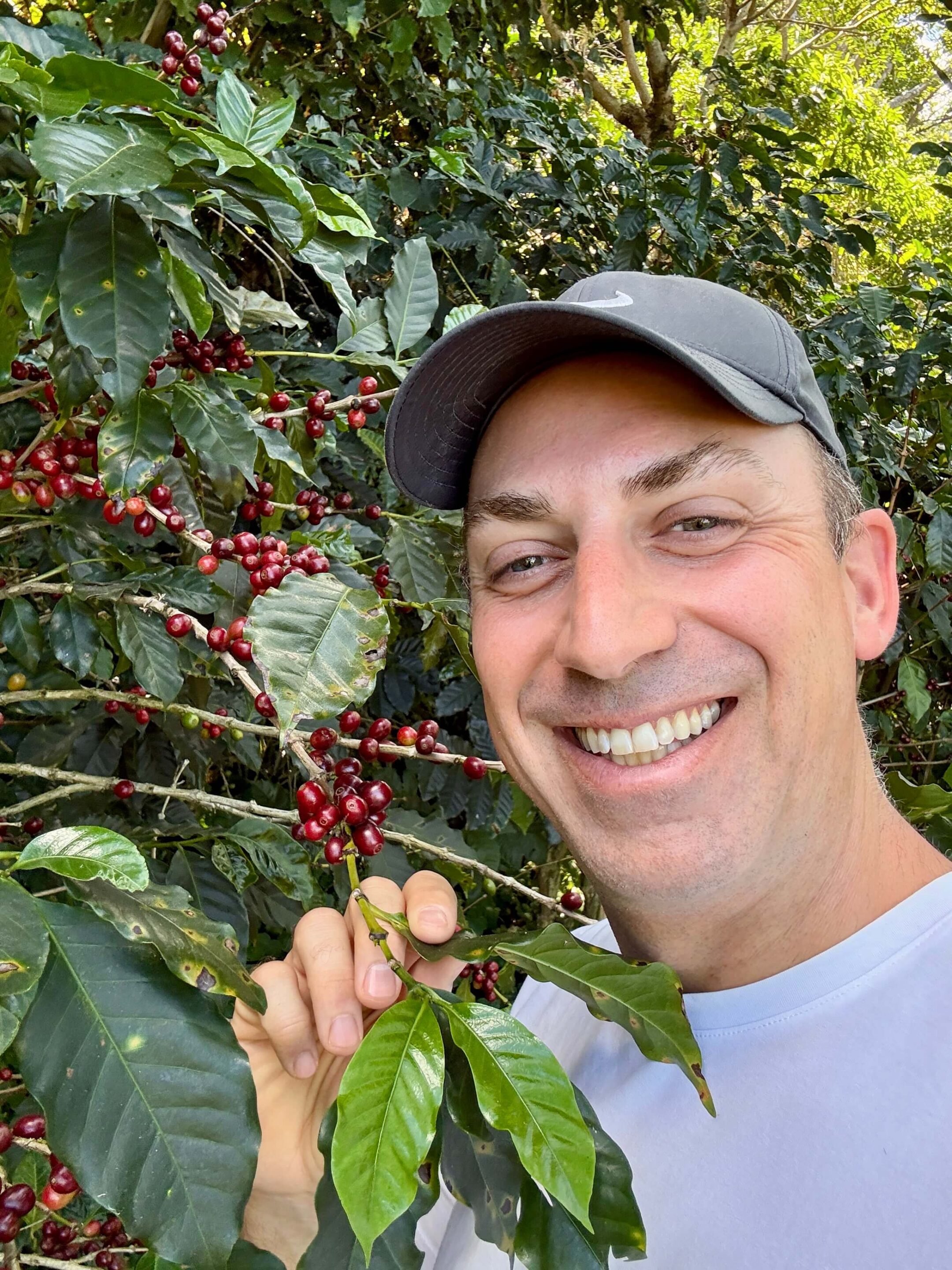
During a recent visit to El Salvador, I was able to gain a much deeper appreciation of the challenges and opportunities faced by coffee farmers and the incredible amount of research and scientific experimentation that is necessary to adapt to things like climate change, soil quality, pests and other external factors.
Below, we will takea closer look at the cultivars that will be included in our upcoming February 2026 Coffeevine edition so you can later savour each and every bean knowing what makes it unique and special.
The oversized rebel of the coffee world
How it came about:
Maracaturra is a natural hybrid between Maragogipe (famous for its giant beans) and Red Bourbon. It emerged in Nicaragua in the mid-20th century, not in a lab but through field selection by farmers. Farmers often look for the most resilient and best performing plants of a certain cultivar and then consciously breed those via artificial pollination, often without really knowing what will come out of it.
Key characteristics:
Very large cherries and beans (often visibly bigger than standard Arabica)
Low yields, but high cup potential
Needs attentive farming. It’s sensitive to wind and disease
Flavour profile:
Expect juicy acidity, stone fruit, citrus peel, and a round, creamy mouthfeel when well grown. Poor farming = bland cup; good farming = great cup scores.
Fun biology fact:
The cherries can be almost olive-sized, and the beans look exaggeratedly large in green coffee samples. The beans have a low density, which can make them look really funny compared to a small Ethiopian heirloom or peaberry.
Which roaster will offer this coffee:
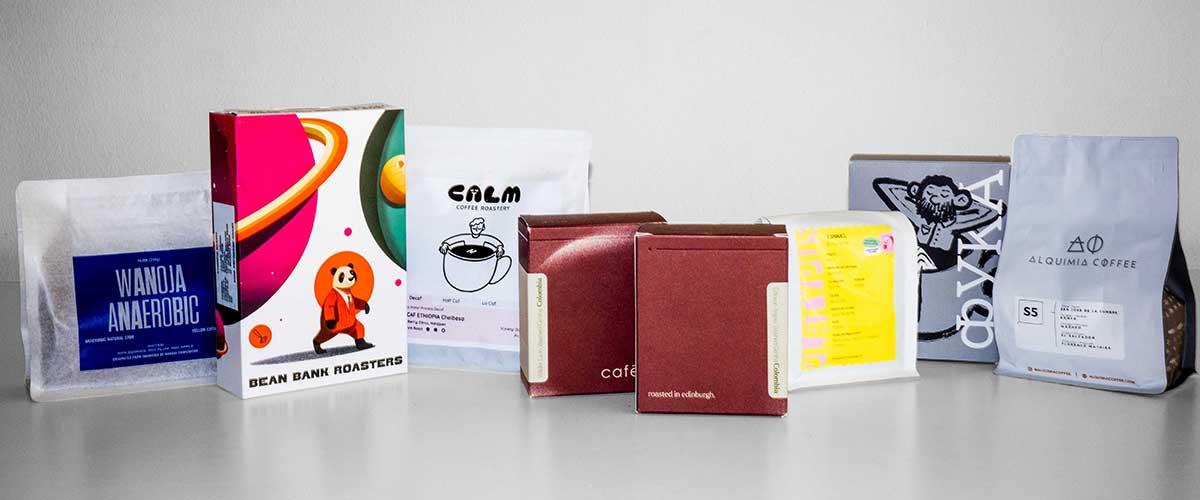
This particular cultivar will be roasted by our first-ever Serbian partner, Fuka. The coffee is from Nicaraguan producer Bethania. It stood out on the cupping table thanks to its sweet and slightly tangy cup profile.
The blueprint for sweetness
How it came about:
Bourbon is a natural mutation of Typica, first cultivated on Île Bourbon (Réunion) after being taken from Yemen by the French in the 18th century.
Key characteristics:
Medium-sized trees with relatively low yields
Known for exceptional sweetness
Highly influential: many modern cultivars descend from Bourbon
Flavour profile:
Classic caramel sweetness, red apple, chocolate, and soft citrus. Elegant rather than explosive. On its own not always super exciting, which is why it’s often blended with other cultivars to create a more delicious cup profile.
Fun biology fact:
Bourbon trees often produce more cherries per node than Typica, which contributes to their sweetness but also stresses the plant.
Where it’s found today:
Widely grown in Central and South America, especially Brazil, El Salvador, Guatemala, and Rwanda. It spread via colonial trade routes and quickly replaced Typica in many regions due to better cup quality. I got to see Bourbon trees at Finca El Salvador. Sadly, Bourbon is very susceptible to leaf rust, which is a huge problem there and the reason why farmers like Rodolfo Rufatti are slowly replacing Bourbon trees with other cultivars.
Which roaster will offer this coffee:
This cultivar will be offered by our friends from Beanbank, a leading roastery from Switzerland that will be making its Coffeevine debut in February. The coffee in question offers a blend of both Bourbon and Catuaí (see next coffee). It was produced by La Coipa in Peru and is characterised by its classic and gentle cup profile with notes of chocolate and almond.
Built for productivity, not romance
How it came about:
Catuai is a deliberate cross between Caturra and Mundo Novo, developed in Brazil in the 1950s by agronomists focused on yield and resilience.
Key characteristics:
Compact, sturdy plants
High yields and good wind resistance
Farmer-friendly and predictable
Flavour profile:
Typically balanced, nutty, chocolate-forward, with mild acidity. When grown at altitude and well processed, it can show citrus and soft fruit.
Fun biology fact:
The name Catuai comes from Guarani, meaning “very good” – a farmer’s stamp of approval.
Where it’s found today:
Brazil, Honduras, Guatemala, Costa Rica, and beyond. It spread as a practical solution for high-density planting. Catuaí is often blended with Bourbon and other cultivars for coffees from Peru. It’s rare to get a single cultivar coffee from this origin, except when it’s a Geisha or some other high scoring cultivar.
Which roaster will offer this coffee:
This cultivar will be offered by our friends from Beanbank, a leading roastery from Switzerland that will be making its Coffeevine debut in February. The coffee in question offers a blend of both Bourbon and Catuaí (see next coffee). It was produced by La Coipa in Peru and is characterised by its classic and gentle cup profile with notes of chocolate and almond.
Same DNA, different energy
How it came about:
Yellow Catuai is a color mutation of Red Catuai – same genetics, different cherry pigmentation.
Key characteristics:
Yellow cherries at peak ripeness
Often slightly lower yields than red
Easier to visually identify ripeness
Flavour profile:
Frequently brighter and juicier than Red Catuai, with tropical fruit, honey, and softer acidity.
Fun biology fact:
Yellow cherries absorb sunlight differently, which may subtly affect sugar development during ripening.
Where it’s found today:
Most common in Brazil and Central America, often chosen by farmers aiming for cleaner, fruit-forward profiles.
Which roaster will offer this coffee:
Despite the Yellow Catuai not being native to Indonesia, it will be roasted for us by our new friends from Two Hands Full in Kota Bandung. This coffee really wowed us on the cupping table thanks to its rich vibrancy and delicious fruity cup notes.
Want to get access to the best roasters? Join our critically-acclaimed coffee subscription and get a fresh selection sent to your door every month.
The mother of all coffees
How it came about:
These are wild and semi-wild Arabica populations from Ethiopia – not a single cultivar, but thousands of genetically distinct plants grown together.
Key characteristics:
Extreme genetic diversity
Unpredictable yields and cup profiles
Deeply tied to terroir
Flavour profile:
Think floral, bergamot, stone fruit, tropical sweetness, sometimes tea-like, sometimes wild and funky.
Fun biology fact:
Two neighbouring heirloom trees can be more genetically different than Bourbon and Geisha.
Where it’s found today:
Primarily Ethiopia, though some heirloom selections have been exported to Latin America for experimental plantings though this has not yet lead to large scale production anywhere. Funnily enough the Wush Wush and Geisha varieties are both native to Ethiopia but now grown all over Colombia, Panama and other countries.
Which roaster will offer this coffee:
There are two roasters in the February 2026 edition who will offer Ethiopian mixed heirlooms. The first is our new partner from Nantes in France, Platypus, whose natural processed Ethiopian lot from Ismael offers classic sweet and floral notes.
The other will come from our decaf partner in February, Calm. They will roast an Ethiopian mixed heirloom lot that was naturally processed before the caffeine was removed with the Swiss Water method. This coffee is gentle and mellow.
The celebrity cultivar
How it came about:
Originally discovered in Ethiopia (Gesha village), Geisha was later planted in Panama, where its true potential was famously revealed in the early 2000s.
Key characteristics:
Tall, elegant trees
Low yields
Demands altitude and careful farming
Flavour profile:
Explosive jasmine, orange blossom, peach, bergamot, with a silky mouthfeel and long finish.
Fun biology fact:
Geisha trees grow significantly taller than most Arabica varieties, making harvesting slower and more expensive. This also explains why Geishas have often fetched astronomical prices in former auctions.
Where it’s found today:
Panama, Colombia, Costa Rica, Ethiopia and selectively across the world wherever producers chase ultra-high quality.
Which roaster will offer this coffee:
We will have two Geishas in February, both of them will come from our GEMS partner Cafēn in Edinburgh. They are both washed Geishas, one of which will come from Wilder Lazo and the other from Edinson Argote. Absolutely spectacular, both of them.
African genetics, Central American soil
How it came about:
SL34 was bred in Kenya in the 1930s by Scott Agricultural Laboratories, selecting for cup quality and deep root systems.
Key characteristics:
Tall trees with deep roots
Excellent drought resistance
Outstanding acidity potential
Flavour profile:
Blackcurrant, grapefruit, tomato leaf, sparkling acidity, and serious structure.
Fun biology fact:
SL34 has exceptionally dense beans, which roast slower and develop remarkable clarity.
Why it’s in El Salvador:
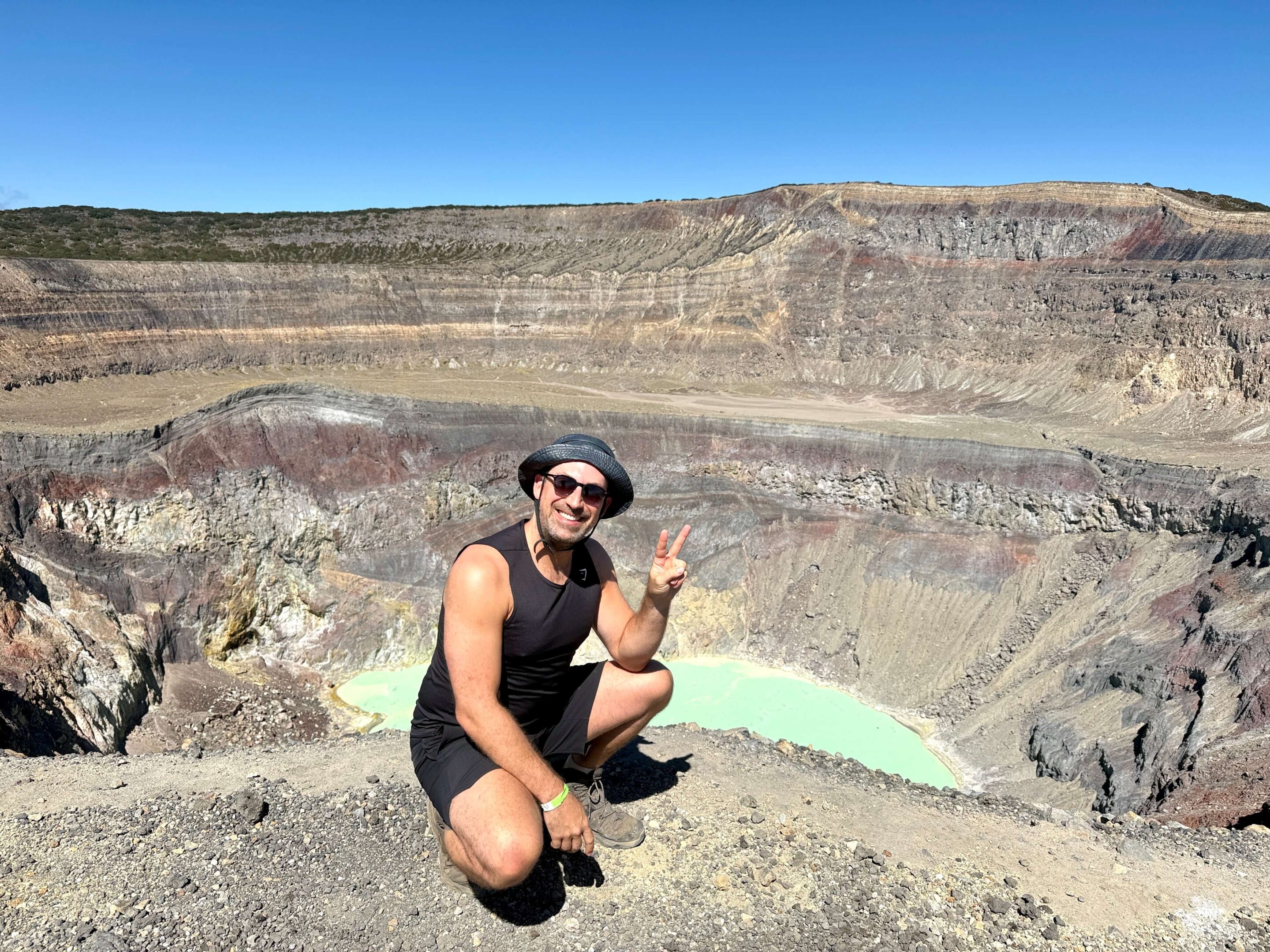
Central American producers planted SL varieties to import Kenyan cup profiles into their terroirs with fascinating hybrid results. While visiting Finca El Salvador this January, I saw many SL34 trees planted at higher altitudes and Rodolfo often spoke about their suitability for this kind of terroir.
Which roaster will offer this coffee:
As seems fitting, this coffee will be roasted by our first El Salvadorian roaster, Alquimia Coffee. It comes from a farm that is on the slopes of Volcan Santa Ana, which I climbed on January 8th. That made this selection extra special.
What are some of the characteristics you prefer in coffees? Do you have any cultivars that you personally love? Leave us a comment below to start a discussion.
You can find out entire February selection in our shop ➡️
For this upcoming Coffeevine edition in May 2026, we’re going to team up with six super talented roasters from around the world.
To mark the exquisite April 2026 edition featuring two former World Barista Champions, we interviewed Jooyeon Jeon and Raúl Rodas just for you
Discover a World Class selection of incredible coffees from our fabulous April roasters. Brew like a champion with this brew guide.
Are we reaching peak cringe? Are Coffee Raves a hit or a fad? Here’s an honest account of attending one such event recently.
Subscribe to our newsletter for new box announcements, articles and special offers. No spam. Promise!
© 2026 All rights reserved The Coffeevine.


My go-to is no doubt Pink Bourbon. I’ve tried from different countries and processed in various way, e.g natural, washed, honey, etc.
After a trip to Kenya, I’ve got interested in trying more Ruiru and SLs varieties.
Lastly, among the pricey coffees, I’ve recently tried ombligon and papayo which were quite funky and I’d like to try more to form a better opinion about them
Hi Antonio!
The Pink Bourbon is such a great cultivar. We’re also a huge fan of it and regularly feature it in our selections.
We’ve also worked with Ombligon and other smaller cultivars. There’s so much more to discover!
Thanks for the interesting article!
You’re welcome!